






















 Sep
15
UK Tobacco Duty Rising From 1 October 2026
- 15th September 2026
- 0 Comment(s)
From 1 October 2026, UK tobacco duty is increasing across all product categories. This follows the standard annual RPI+2% duty escalator, alongside a one-off additional increase announced at the Autumn Budget 2025, aimed at narrowing the gap between duty on hand-rolling tobacco and duty on cigarettes.
What’s changing
HMRC has confirmed the following duty rates take effect from 1 October 2026:
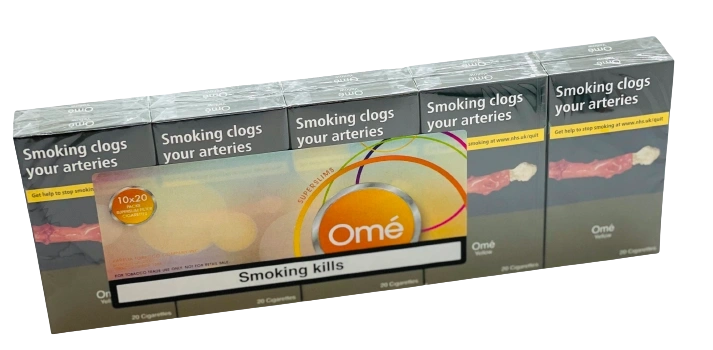
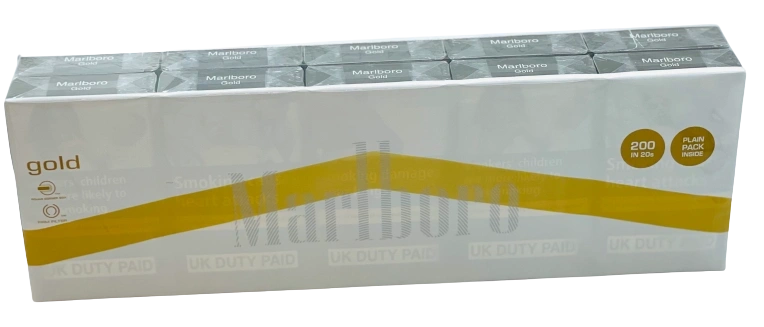
- Cigarettes: £394.09 per 1,000 cigarettes, plus 16.5% of the retail price (minimum excise duty £518.75 per 1,000)
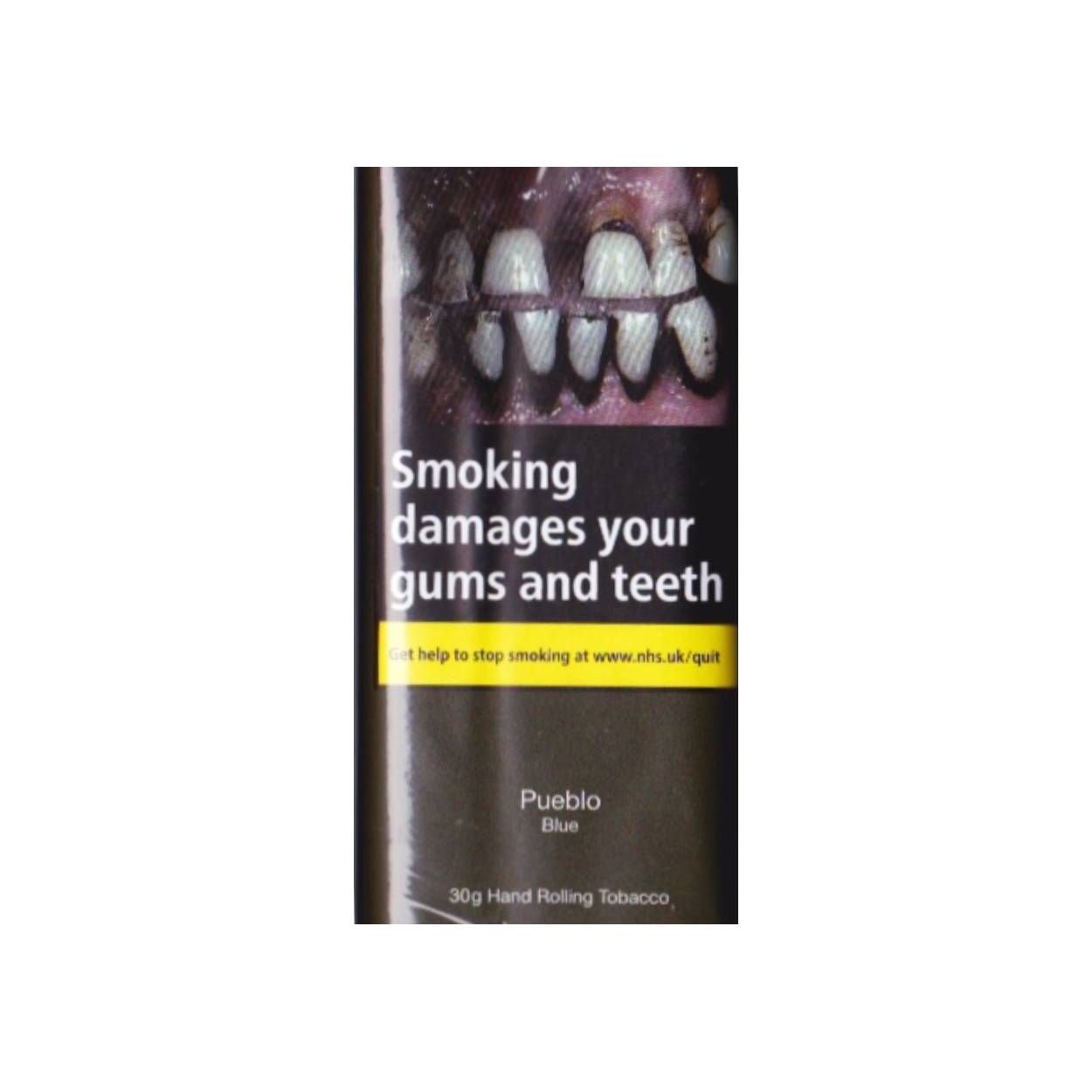
- Hand-rolling tobacco: £574.30 per kg
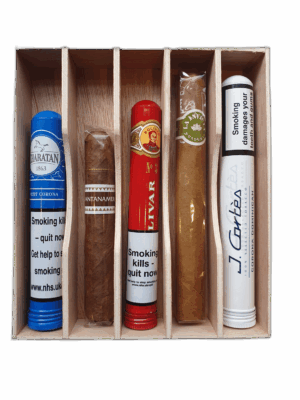
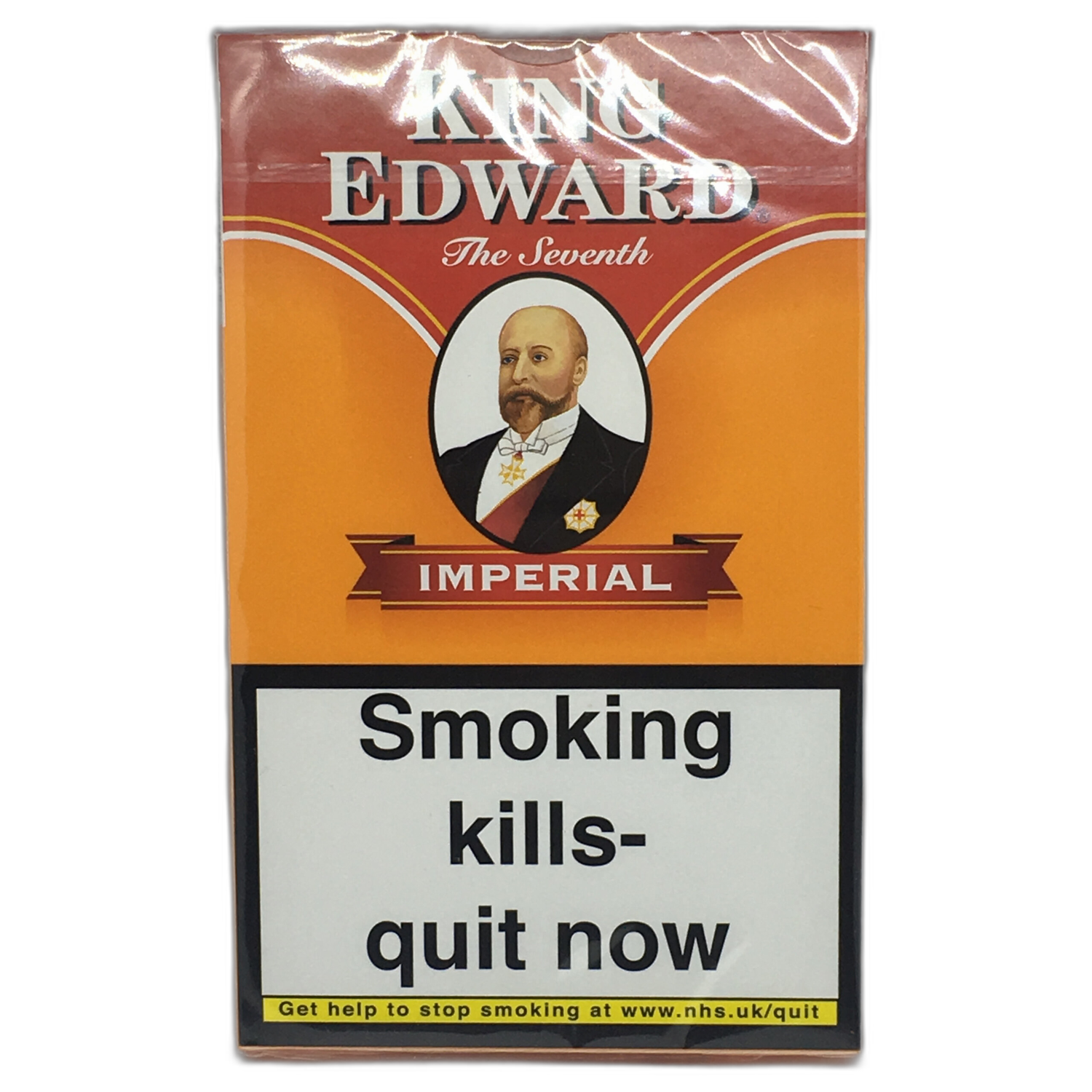
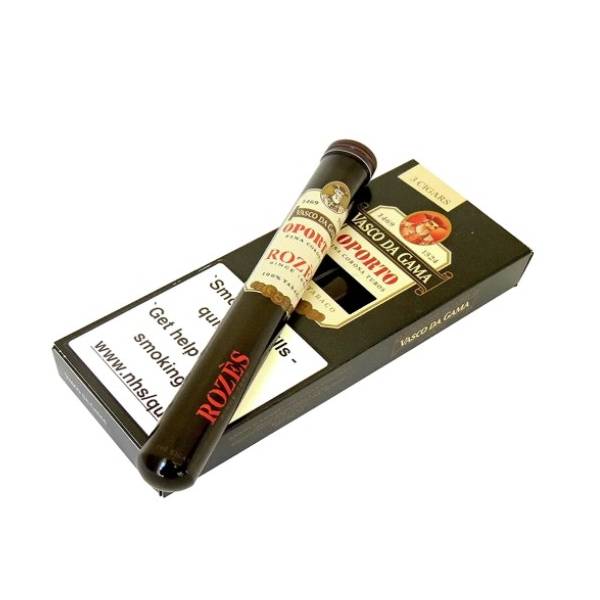
- Cigars: £508.12 per kg
- Other smoking/chewing tobacco: £248.07 per kg
- Tobacco for heating: £426.47 per kg
What this means in practice
- A carton of cigarettes (200 cigarettes) will see duty rise by roughly £12
- A 30g pouch of hand-rolling tobacco will see duty rise by roughly £2.50
- A 50g pouch will see duty rise by roughly £4.25
- A 100g pouch will see duty rise by roughly £8.50
- Cigars will see duty rise by roughly 81p per 10g — around £1.20–£1.30 on a single robusto-sized cigar
- A 30g pack of pipe tobacco will see duty rise by roughly £1.95; chewing tobacco is taxed the same way
These are HMRC’s typical-product estimates; the actual change on any given brand can vary slightly, particularly for cigarettes, where duty is partly based on retail price rather than a flat rate.
It’s also worth noting that these figures reflect the confirmed duty increase only. Manufacturers and suppliers often review their own prices around the same time, independently of the duty change, so the overall shelf-price increase on some products could end up higher than the duty rise alone — potentially as much as 20% in total once supplier pricing is factored in. We’d encourage customers to treat these figures as a guide to the minimum change, rather than the final word on pricing.
Why it’s happening
Tobacco duty has risen at RPI+2% every year since 2010 as government policy to reduce smoking rates and offset falling revenue from declining tobacco consumption. The additional one-off increase this year specifically targets hand-rolling tobacco, which has historically carried lower duty than cigarettes for an equivalent amount of tobacco.